Success Story

Saving the world from infectious diseases one microbe at a time
Located in Peterborough, Ontario, OptiSolve is on a mission to prevent the transmission of infectious diseases through contaminated environmental surfaces.
Starting out with funding from NSERC’s Engage Grant, followed by support from the Voucher for Innovation and Productivity (VIP) program from Ontario Centres of Excellence (OCE), OptiSolve was able to spend approximately two years on vital research and development before launching their technology in 2017.
“Working with OCE was fantastic – the primary reason we got to where we are today is that, through the VIP funding from OCE and the Engage grant from NSERC, we were able to work with two different academic partners and complete two years of R&D,” explains Mark McInnes, Technical Director for OptiSolve. “[Without] the funding structures from OCE, we might not have received support from other groups – this funding really helped us to take off”.
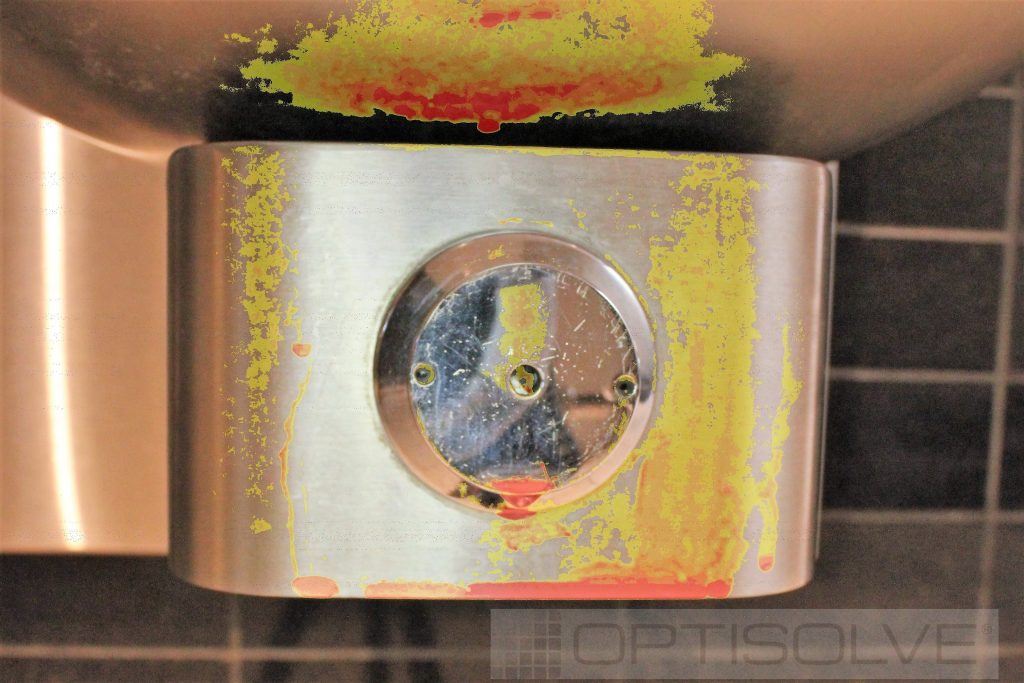
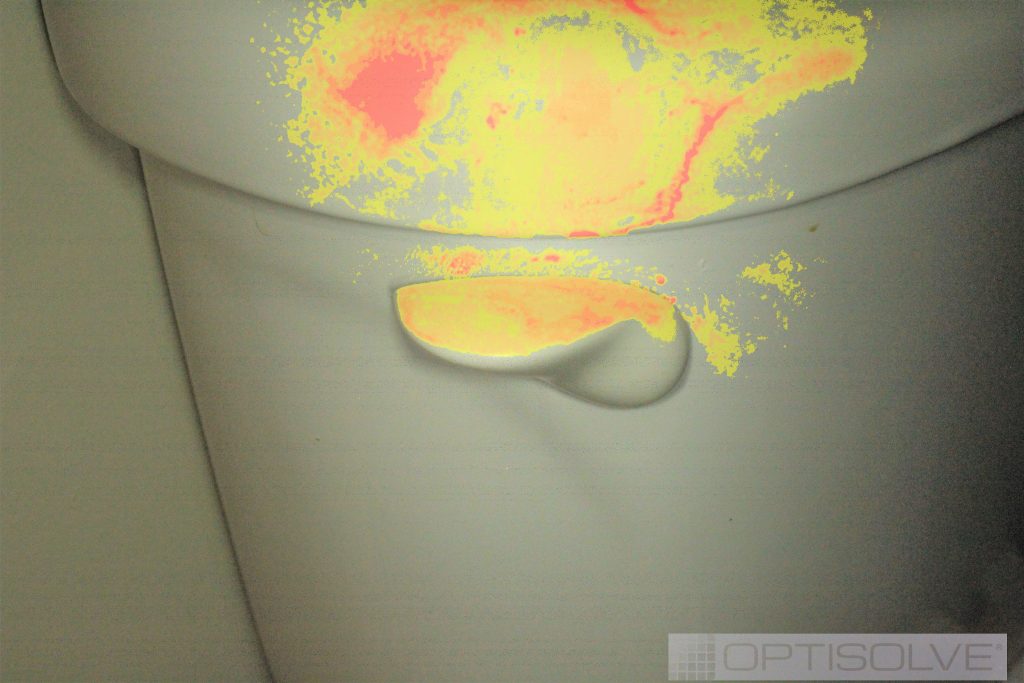
OptiSolve looks at appropriate and adequate cleaning disinfection in all industry sectors including healthcare and food processing plants. Where traditional methods simply confirm whether or not microbial bacteria are present, OptiSolve goes a step further by identifying precisely where pathogens are still present – they make the invisible visible. Once they confirm the presence of bacteria, they also examine cleaning process weaknesses that could lead to the spread of the infectious contaminants found on a myriad of various surfaces.
There are two traditional methods that OptiSolve has disrupted; the first method is a microbial swabbing of a surface which is expensive and slow as the swab must be sent to a lab where it can take days to grow cultures and deliver results. The other method is ATP (adenosine tri-phosphate) swabbing, which cannot give spatially-specific information, but merely provides a number based on an average. With OptiSolve’s technology, they not only provide the above information in minutes, but they identify vulnerabilities and where cleaning methods failed by pinpointing exactly where the bacteria remain on a tested surface. First, they spray the surface to be examined; next they complete imaging of that surface, and then run it through their software with results provided in near real-time.
In addition to customer activities in Canada, the company is now attracting international interest. Moreover, OptiSolve was recently awarded a Genome Canada grant of $4.5 million and is partnered with the University of Toronto to further develop their technology.
“Everyone is benefitting from this technology. Infectious disease affects everyone whether it originates from poor sanitation in a food production plant or is transmitted in healthcare facilities,” said Mark. “If OptiSolve can reduce these diseases, even by a fraction, we improve people’s health and wellbeing, and save everyone money by reducing risks and related burdens on the healthcare system”.
Internal ROI:
- Direct, full-time jobs created: 6 employees
- Indirect jobs to be created with latest genome project: 10
- Currently no competitors in their industry
- Following funding from OCE and NSERC, received additional funding from Eastern Ontario’s Economic Development Plan